 The discussions about the safety of nuclear reactors in the new post- Fukushima world hav e focused on technical questions: Is it possible to make reactors earthquake- proof? What is the best way to ensure that spent fuel remains safe? What is the optimal design for coolant sy stems? Can reactors be made "inherently safe"?
Saturday, 3 September 2011
The discussions about the safety of nuclear reactors in the new post- Fukushima world hav e focused on technical questions: Is it possible to make reactors earthquake- proof? What is the best way to ensure that spent fuel remains safe? What is the optimal design for coolant sy stems? Can reactors be made "inherently safe"?
Energy planning in response to climate change:
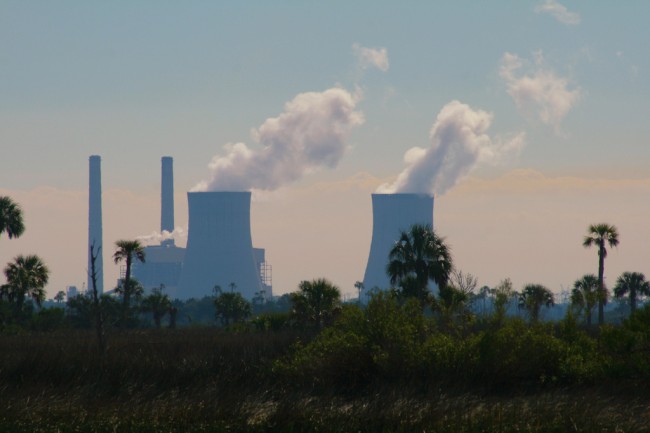
There has been ample discussion in recent y ears of a "nuclear renaissance," and many politicians and energy analy sts believ e that a meaningful response to climate change must include a new fleet of nuclear plants in the United States. T he long- term planning studies that routinely come out of utilities, adv ocacy groups, and the Department of Energy now commonly include new nuclear units. Howev er, many of these studies use nuclear and utility industry cost estimates for new nuclear plants, rather than estimates based on the actual experiences of companies currently try ing to build nuclear power plants. Given the dollars and the env ironmental impacts at stake, it is critical that planners make resource decisions using the best information av ailable.
Comprehensive Nuclear-Test-Ban Treaty
A ban on all nuclear tests is the oldest item on the nuclear arms control agenda. Three treaties that entered into force between 1963 and 1990 limit but do not ban such tests. In 1996, the U.N. General Assembly adopted the Comprehensive Nuclear-Test-Ban Treaty (CTBT), which would ban all nuclear explosions. In 1997, President Clinton sent the CTBT to the Senate, which rejected it in October 1999. In a speech in Prague in April 2009, President Obama said, “My administration will immediately and aggressively pursue U.S. ratification of the Comprehensive Test Ban Treaty.”
Next phase in the analysis of the announced DPRK nuclear test

At a meeting of Signatory States of the Comprehensive Nuclear-Test-Ban Treaty (CTBT) yesterday, 26 May (see press release), the Preparatory Commission for the Comprehensive Nuclear-Test-Ban Treaty Organization (CTBTO) informed delegates on the progress in the analysis of its findings on the nuclear test declared by the Democratic People’s Republic of Korea (DPRK) on Monday, 25 May. The CTBTO issued its first information to the Signatory States at 02.24 A.M. (GMT) - before the DPRK had officially announced the test - containing the location, magnitude, depth and time of the event. This information was further updated within two and four hours. On Monday morning, a technical briefing to Signatory States provided additional information.
A new way to detect secret nuclear tests: GPS
 When North Korea conducted its second known nuclear bomb test on May 25, 2009, the country's leaders took extreme care to conceal the details of the event. They detonated the bomb a kilometer or so beneath the earth, so no radiation could escape; radiation clues could have enabled member countries of the Comprehensive Nuclear Test Ban Treaty Organization to more accurately determine the type and size of the bomb tested.
Subscribe to:
Posts (Atom)